Grow with the seasons in Miami
Learn, grow, and connect through urban gardening.
Today's Moon
Explore moon gardening traditions alongside seasonal planting guidance.
Read about the moon and crops →SOUTH FLORIDA · OCTOBER 2026
Make room for the growing season
October brings a fresh planting opportunity to Miami gardens. Start with a manageable patch or a few containers, choose vegetables your household enjoys, and leave room to watch how they grow.
What to plant now
Sow carrots, radishes, and bush beans directly from seed. For a head start, plant healthy lettuce, broccoli, or tomato transplants. Cilantro, dill, and parsley are also October options.
Choose one or two crops today. Check the seed packet or plant label for spacing and variety-specific instructions, then record what you planted and the date in My garden.
Read our October garden guide
Seeds or young plants?
A seed lets you follow the whole story, from the first root to the first leaf. A transplant gives you a plant that has already begun that journey. UF/IFAS lists carrots, radishes, and beans among October seed choices for South Florida, and lettuce, broccoli, and tomatoes among crops suited to transplanting.
A small task for today
Sketch your growing space and select a crop. Note where sunlight reaches it, how water drains after rain, and whether nearby plants will shade it as they grow. Use these observations alongside the crop's growing requirements to choose its place.
Keep a useful garden record
Write down the variety, planting date, and whether you used seed or a transplant. Add observations as the plant develops. Your notes will help you compare what worked in your own garden when the next season arrives.
Follow the season, observe the garden
This is regional seasonal guidance for Miami and South Florida, not a daily weather forecast. Planting windows are a starting point; the needs of the crop and the conditions in your growing space still matter.
We also explore moon gardening as a cultural tradition. Keep lunar observations in your journal while using seasonal planting guidance and plant conditions to make growing decisions.
Written for Amigos de la Huerta. Planting recommendations checked October 16, 2026 against the UF/IFAS guides below.
YOUR MIAMI GARDEN
What could you plant?
Choose a date and growing region. Smart choice combines seasonal planting windows with crop categories and our lunar gardening tradition.
4 crop choices
No crops in this starter guide match all selected filters. Try all seasonal choices or another date. An empty result does not mean nothing can be planted.
Cucumber
Fruit and pods
A climbing crop for your fall garden. Plan a place for its vines.
- MATURITY
- 40–65 days
- EST. HARVEST
- Choose a date
Provide a trellis for climbing vines. Spacing chart · via Little River Cooperative
October planting option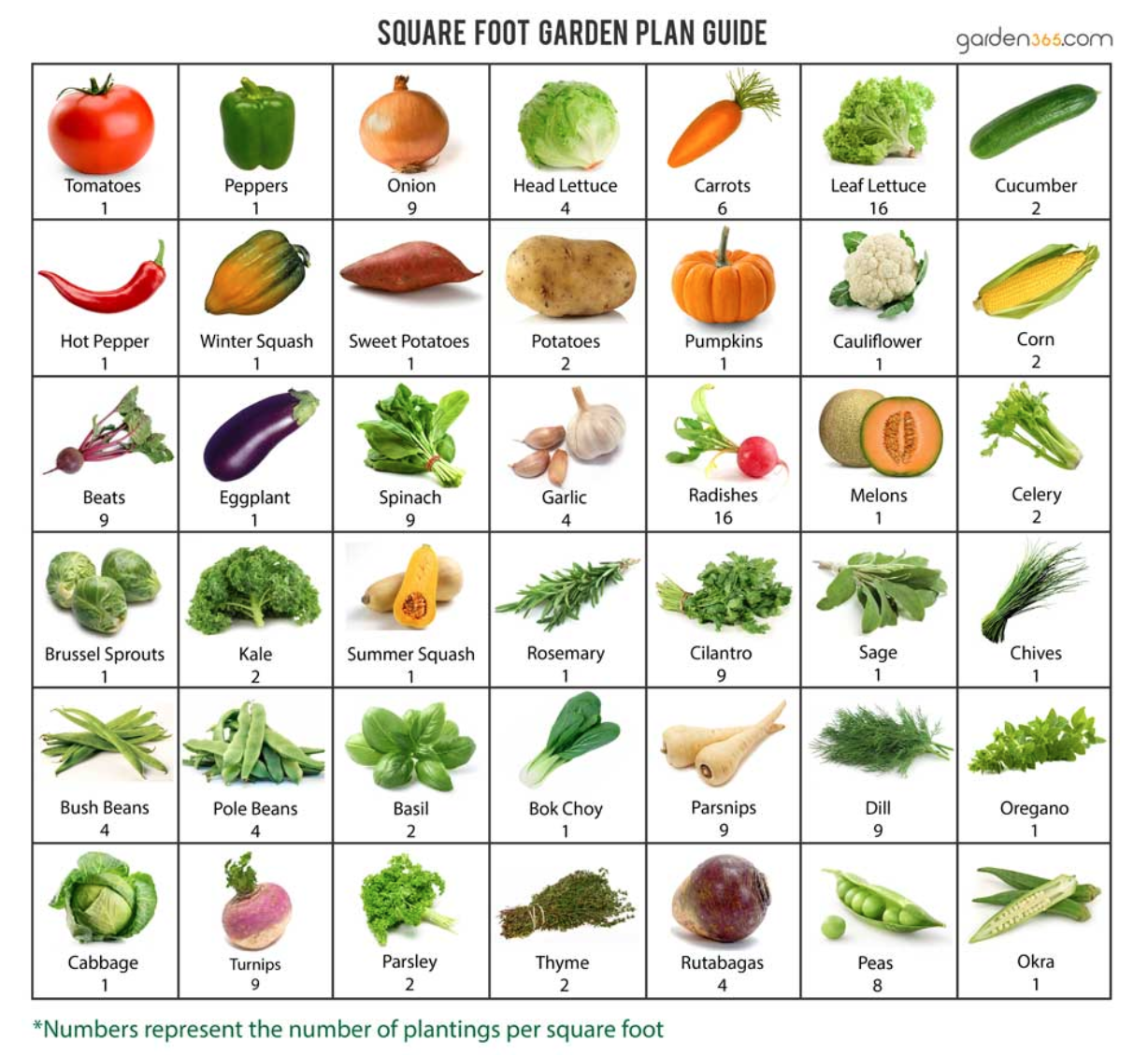
Bush beans
Fruit and pods
A compact choice when you want to start a small vegetable patch.
- MATURITY
- 45–60 days
- EST. HARVEST
- Choose a date
Count established plants after thinning. Spacing chart · via Little River Cooperative
October planting optionCarrots
Roots
Sow directly and give the roots space to develop.
- MATURITY
- 70–120 days
- EST. HARVEST
- Choose a date
Count established plants after thinning. Spacing chart · via Little River Cooperative
October planting optionBroccoli
Flowers
Start with a healthy young plant for the cooler growing season.
- MATURITY
- 50–70 days
- EST. HARVEST
- Choose a date
Broccoli is not listed in the shared square-foot chart. See UF/IFAS spacing and follow your variety’s plant label.
October planting optionTomatoes
Fruit and pods
Choose a suitable variety and check its plant label.
- MATURITY
- 70 to 90 days
- EST. HARVEST
- Check variety label
Density follows the shared chart; adjust for mature plant size. Spacing chart · via Little River Cooperative
Peppers
Fruit and pods
Choose a suitable variety and check its plant label.
- MATURITY
- 65 to 75 days
- EST. HARVEST
- Check variety label
Density follows the shared chart; adjust for mature plant size. Spacing chart · via Little River Cooperative
Onions
Roots
Use short-day bulbing onion varieties for Florida.
- MATURITY
- 100 to 130 days
- EST. HARVEST
- Check variety label
Density follows the shared chart; adjust for mature plant size. Spacing chart · via Little River Cooperative
Head lettuce
Leaves and herbs
Choose a suitable variety and check its plant label.
- MATURITY
- 60 to 80 days
- EST. HARVEST
- Check variety label
Density follows the shared chart; adjust for mature plant size. Spacing chart · via Little River Cooperative
Leaf lettuce
Leaves and herbs
Choose a suitable variety and check its plant label.
- MATURITY
- 60 to 80 days
- EST. HARVEST
- Check variety label
Density follows the shared chart; adjust for mature plant size. Spacing chart · via Little River Cooperative
Hot pepper
Fruit and pods
Choose a suitable variety and check its plant label.
- MATURITY
- 65 to 75 days
- EST. HARVEST
- Check variety label
Density follows the shared chart; adjust for mature plant size. Spacing chart · via Little River Cooperative
Winter squash
Fruit and pods
Allow space beyond the square for vines and supports.
- MATURITY
- 85 to 120 days
- EST. HARVEST
- Check variety label
Density follows the shared chart; adjust for mature plant size. Spacing chart · via Little River Cooperative
Sweet potatoes
Roots
Plant slips and allow room for spreading vines.
- MATURITY
- 85 to 130 days
- EST. HARVEST
- Check variety label
Density follows the shared chart; adjust for mature plant size. Spacing chart · via Little River Cooperative
Potatoes
Roots
Use certified seed pieces for planting.
- MATURITY
- 85 to 110 days
- EST. HARVEST
- Check variety label
Density follows the shared chart; adjust for mature plant size. Spacing chart · via Little River Cooperative
Pumpkins
Fruit and pods
Allow space beyond the square for vines and supports.
- MATURITY
- 80 to 100 days
- EST. HARVEST
- Check variety label
Density follows the shared chart; adjust for mature plant size. Spacing chart · via Little River Cooperative
Cauliflower
Flowers
Choose a suitable variety and check its plant label.
- MATURITY
- 50 to 70 days
- EST. HARVEST
- Check variety label
Density follows the shared chart; adjust for mature plant size. Spacing chart · via Little River Cooperative
Corn
Fruit and pods
Grow corn in blocks for pollination.
- MATURITY
- 65 to 90 days
- EST. HARVEST
- Check variety label
Density follows the shared chart; adjust for mature plant size. Spacing chart · via Little River Cooperative
Beets
Roots
Choose a suitable variety and check its plant label.
- MATURITY
- 50 to 70 days
- EST. HARVEST
- Check variety label
Density follows the shared chart; adjust for mature plant size. Spacing chart · via Little River Cooperative
Eggplant
Fruit and pods
Choose a suitable variety and check its plant label.
- MATURITY
- 70 to 90 days
- EST. HARVEST
- Check variety label
Density follows the shared chart; adjust for mature plant size. Spacing chart · via Little River Cooperative
Spinach
Leaves and herbs
Choose a suitable variety and check its plant label.
- MATURITY
- 45 to 60 days
- EST. HARVEST
- Check variety label
Density follows the shared chart; adjust for mature plant size. Spacing chart · via Little River Cooperative
Garlic
Roots
Plant suitable garlic cloves; timing and harvest depend on the variety.
- MATURITY
- Variety dependent
- EST. HARVEST
- Check variety label
Density follows the shared chart; adjust for mature plant size. Spacing chart · via Little River Cooperative
Only the reviewed planting period is listed; other months need verification.
Radishes
Roots
Choose a suitable variety and check its plant label.
- MATURITY
- 20 to 30 days
- EST. HARVEST
- Check variety label
Density follows the shared chart; adjust for mature plant size. Spacing chart · via Little River Cooperative
Melons (cantaloupe)
Fruit and pods
Allow space beyond the square for vines and supports.
- MATURITY
- 85 to 110 days
- EST. HARVEST
- Check variety label
Density follows the shared chart; adjust for mature plant size. Spacing chart · via Little River Cooperative
Celery
Leaves and herbs
Choose a suitable variety and check its plant label.
- MATURITY
- 75 to 90 days
- EST. HARVEST
- Check variety label
Density follows the shared chart; adjust for mature plant size. Spacing chart · via Little River Cooperative
Brussels sprouts
Leaves and herbs
Choose a suitable variety and check its plant label.
- MATURITY
- 70 to 90 days
- EST. HARVEST
- Check variety label
Density follows the shared chart; adjust for mature plant size. Spacing chart · via Little River Cooperative
Kale
Leaves and herbs
Choose a suitable variety and check its plant label.
- MATURITY
- 50 to 70 days
- EST. HARVEST
- Check variety label
Density follows the shared chart; adjust for mature plant size. Spacing chart · via Little River Cooperative
Summer squash
Fruit and pods
Allow space beyond the square for vines and supports.
- MATURITY
- 40 to 50 days
- EST. HARVEST
- Check variety label
Density follows the shared chart; adjust for mature plant size. Spacing chart · via Little River Cooperative
Rosemary
Leaves and herbs
Choose a suitable variety and check its plant label.
- MATURITY
- Variety dependent
- EST. HARVEST
- Check variety label
Density follows the shared chart; adjust for mature plant size. Spacing chart · via Little River Cooperative
Only the reviewed planting period is listed; other months need verification.
Cilantro
Leaves and herbs
Choose a suitable variety and check its plant label.
- MATURITY
- Variety dependent
- EST. HARVEST
- Check variety label
Density follows the shared chart; adjust for mature plant size. Spacing chart · via Little River Cooperative
Only the reviewed planting period is listed; other months need verification.
Sage
Leaves and herbs
Choose a suitable variety and check its plant label.
- MATURITY
- Variety dependent
- EST. HARVEST
- Check variety label
Density follows the shared chart; adjust for mature plant size. Spacing chart · via Little River Cooperative
Only the reviewed planting period is listed; other months need verification.
Chives
Leaves and herbs
Choose a suitable variety and check its plant label.
- MATURITY
- Variety dependent
- EST. HARVEST
- Check variety label
Density follows the shared chart; adjust for mature plant size. Spacing chart · via Little River Cooperative
Only the reviewed planting period is listed; other months need verification.
Pole beans
Fruit and pods
Allow space beyond the square for vines and supports.
- MATURITY
- 50 to 70 days
- EST. HARVEST
- Check variety label
Density follows the shared chart; adjust for mature plant size. Spacing chart · via Little River Cooperative
Basil
Leaves and herbs
Choose a suitable variety and check its plant label.
- MATURITY
- Variety dependent
- EST. HARVEST
- Check variety label
Density follows the shared chart; adjust for mature plant size. Spacing chart · via Little River Cooperative
Only the reviewed planting period is listed; other months need verification.
Bok choy
Leaves and herbs
Choose a suitable variety and check its plant label.
- MATURITY
- 70 to 90 days
- EST. HARVEST
- Check variety label
Density follows the shared chart; adjust for mature plant size. Spacing chart · via Little River Cooperative
Parsnips
Roots
Choose a suitable variety and check its plant label.
- MATURITY
- Variety dependent
- EST. HARVEST
- Check variety label
Density follows the shared chart; adjust for mature plant size. Spacing chart · via Little River Cooperative
Regional planting dates need local verification.
Dill
Leaves and herbs
Choose a suitable variety and check its plant label.
- MATURITY
- Variety dependent
- EST. HARVEST
- Check variety label
Density follows the shared chart; adjust for mature plant size. Spacing chart · via Little River Cooperative
Only the reviewed planting period is listed; other months need verification.
Oregano
Leaves and herbs
Choose a suitable variety and check its plant label.
- MATURITY
- Variety dependent
- EST. HARVEST
- Check variety label
Density follows the shared chart; adjust for mature plant size. Spacing chart · via Little River Cooperative
Only the reviewed planting period is listed; other months need verification.
Cabbage
Leaves and herbs
Choose a suitable variety and check its plant label.
- MATURITY
- 70 to 90 days
- EST. HARVEST
- Check variety label
Density follows the shared chart; adjust for mature plant size. Spacing chart · via Little River Cooperative
Turnips
Roots
Choose a suitable variety and check its plant label.
- MATURITY
- 40 to 60 days
- EST. HARVEST
- Check variety label
Density follows the shared chart; adjust for mature plant size. Spacing chart · via Little River Cooperative
Parsley
Leaves and herbs
Choose a suitable variety and check its plant label.
- MATURITY
- Variety dependent
- EST. HARVEST
- Check variety label
Density follows the shared chart; adjust for mature plant size. Spacing chart · via Little River Cooperative
Only the reviewed planting period is listed; other months need verification.
Thyme
Leaves and herbs
Choose a suitable variety and check its plant label.
- MATURITY
- Variety dependent
- EST. HARVEST
- Check variety label
Density follows the shared chart; adjust for mature plant size. Spacing chart · via Little River Cooperative
Only the reviewed planting period is listed; other months need verification.
Rutabagas
Roots
Choose a suitable variety and check its plant label.
- MATURITY
- 90 to 90 days
- EST. HARVEST
- Check variety label
Density follows the shared chart; adjust for mature plant size. Spacing chart · via Little River Cooperative
Regional planting dates need local verification.
Peas (English or snow)
Fruit and pods
Choose a suitable variety and check its plant label.
- MATURITY
- 60 to 80 days
- EST. HARVEST
- Check variety label
Density follows the shared chart; adjust for mature plant size. Spacing chart · via Little River Cooperative
Okra
Fruit and pods
Choose a suitable variety and check its plant label.
- MATURITY
- 60 to 70 days
- EST. HARVEST
- Check variety label
Density follows the shared chart; adjust for mature plant size. Spacing chart · via Little River Cooperative
Plan your growing space: one square foot is a 12 × 12 inch area. Cucumber, bush bean, and carrot quantities follow the Square Foot Garden Plan Guide shared through Little River Cooperative; the chart credits Garden365.com. Use these as planning quantities and adjust for variety, support, and mature plant size.
How Smart choice works
First, the selected month must fall inside the crop’s UF/IFAS planting window for North, Central, or South Florida. Next, Smart choice applies ADLH’s simple lunar tradition: waxing Moon for above-ground crops (fruit, pods, and flowers in this starter guide); waning Moon for roots. The category and planting-method filters narrow those matches.
Moon phases are approximate, calculated at noon in Florida from the average lunar cycle. They are not an exact ephemeris. Check primary Moon phases with the U.S. Naval Observatory.
Lunar gardening is a cultural tradition, not a proven way to improve crop yield. Read Illinois Extension’s evidence review. Seasonal conditions and the needs of your variety remain the practical basis for planting.
Growing regions use UF/IFAS regional calendars. They are not USDA hardiness zones, which describe winter minimum temperatures. This guide contains 43 crops. Unverified planting windows are excluded from Smart choice.
Days are counted from sowing, transplanting, or planting pieces and slips according to the method shown. Harvest dates are estimates. Where a source gives no harvest-day range, check the variety label. This guide includes the 42 chart entries plus broccoli.
Planting windows and maturity ranges: UF/IFAS Florida Vegetable Gardening Guide, Table 1. Reviewed October 16, 2026. Use your seed packet or plant label for variety-specific details.
Explore the UF/IFAS guides
Go deeper with the references behind our October planting guide.
UF/IFAS EXTENSION · SEASONAL PLANNING
South Florida Gardening Calendar
Plan your Miami garden month by month. Use this calendar to explore seasonal planting choices and garden care tasks, then adapt your plan to the space you grow in.
By Sydney Park Brown and Kara Krueger · UF/IFAS
Read the UF/IFAS calendar →UF/IFAS GARDENING SOLUTIONS · PLANTING CHOICES
What to Plant by Month
Choosing between seeds and young plants? Find October in the South Florida section and compare planting options before picking your next crop.
Published by UF/IFAS Gardening Solutions
Read the UF/IFAS planting guide →ADLH summaries written for our community. Source links reviewed October 16, 2026.
A garden connects us
Amigos de la Huerta brings neighbors together to learn through urban gardening. Bring your questions, share what you discover, and help care for the places where our community grows.
Comments
Post a Comment